

Hybrid Heating Systems Explained: Furnace + Heat Pump for Simcoe County Homes
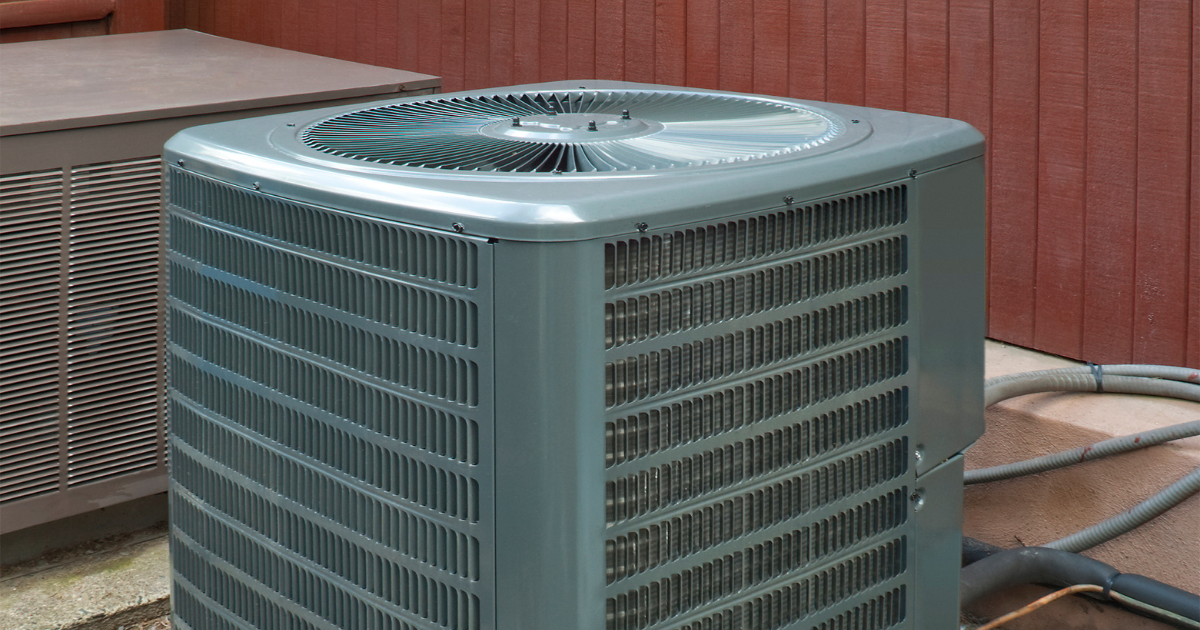
A hybrid heating system pairs a cold-climate heat pump with a gas or propane furnace, letting the heat pump handle the majority of the heating season efficiently while the furnace automatically takes over during the coldest stretches of winter. For many homes in Orillia and Simcoe County, this setup offers the best balance of efficiency and reliable comfort, without asking one system to do a job it wasn’t built for.
How a Hybrid System Actually Works
In a hybrid (or dual-fuel) system, your heat pump does the everyday heavy lifting, since it’s efficient across most of the temperatures we see through fall, spring, and even much of winter. When outdoor temperatures drop below a set threshold, the system automatically switches to the furnace, which is better suited to producing consistent heat in extreme cold.
You don’t have to manage this switch manually. The system is set up to transition on its own, based on outdoor temperature, so your home stays comfortable without you thinking about which unit is doing the work on any given day.
Understanding the “Switchover Point”
The temperature at which your system hands off from heat pump to furnace is known as the switchover point, or balance point. This isn’t a fixed number. It depends on your home’s insulation, the specific equipment installed, and current energy costs for each fuel source. We typically set this somewhere in the range of -10°C to -15°C, but it’s tailored to each home rather than applied as a blanket setting.
Getting the balance point right matters. Set it too high, and you’re relying on the furnace more than necessary, giving up some of the efficiency benefit of the heat pump. Set it too low, and the heat pump may struggle to keep up before the furnace kicks in. This is one of the details that’s easy to get wrong without proper calibration, and one more reason a real heat loss calculation matters before installation, not just at initial setup.
Why This Setup Fits Our Climate
We’ve written before about whether heat pumps genuinely hold up in Ontario winters, and the short version is that cold-climate heat pumps perform well, but their efficiency does decrease as temperatures drop. A hybrid system is essentially a practical answer to that reality: get the efficiency of a heat pump for most of the year, and the reliable output of a furnace exactly when you need it most.
For homeowners who already have a furnace that’s in reasonably good shape, adding a heat pump to create a hybrid system can be a more approachable upgrade than replacing the whole setup, though this depends on the age and condition of your existing furnace. If your furnace is closer to the end of its life, it’s worth reading through How Old Is Too Old? When to Replace Your Furnace Before Winter alongside this decision.
Is a Hybrid System Right for Your Home?
Hybrid systems tend to make the most sense for homeowners who:
Want the efficiency benefits of a heat pump without giving up the reliability of gas or propane heat on the coldest days
Are replacing an aging furnace and want to evaluate all their heating options at once
Are curious about heat pump rebates but want backup heat as part of the plan
They’re less necessary for homes with excellent insulation and lower heat loss, where a heat pump alone may comfortably handle the full season, again, something a proper load calculation will tell you rather than a general rule.
Rebates and Hybrid Systems
Depending on your current heating source and the specific equipment chosen, hybrid system upgrades may qualify for provincial rebates through Ontario’s Home Renovation Savings Program. We cover eligibility considerations in more detail in Ontario Heat Pump Rebates: What’s Changing This Fall.
FAQ: Hybrid Heating Systems
Do I need a new furnace to add a hybrid heat pump system? Not necessarily. If your existing furnace is in good condition, it’s often possible to pair it with a new heat pump. We assess your current equipment as part of the process.
How is the switchover point decided? It’s based on your home’s heat loss calculation, insulation, and the specific efficiency of both the heat pump and furnace involved, not a one-size-fits-all setting.
Is a hybrid system more expensive to maintain than a single system? It does involve two systems, so annual maintenance covers both, similar to maintaining a furnace and an air conditioner separately, which most homes already do.
Talk Through Your Options
Every home’s ideal setup is different. Get in touch for a heat loss calculation and an honest conversation about whether a hybrid system makes sense for yours.