

Do Heat Pumps Really Work in Ontario Winters? What Homeowners Need to Know
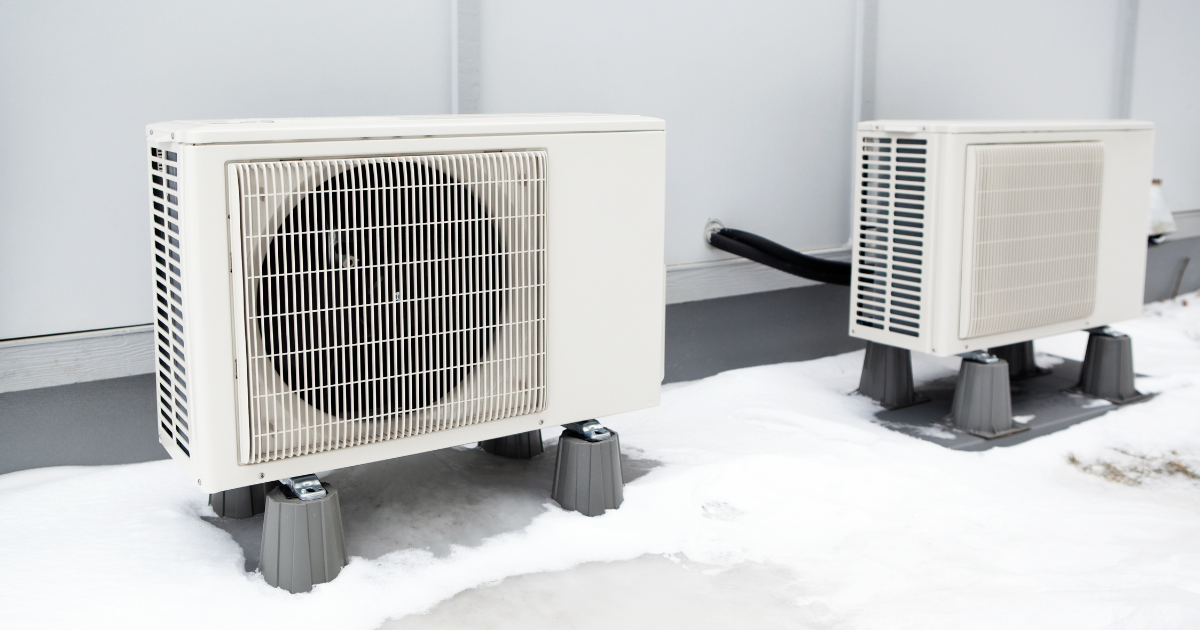
Yes, modern cold-climate heat pumps are engineered specifically to keep heating homes even in deep winter conditions, including the kind of extended cold snaps Orillia and Simcoe County see every year. Their efficiency does drop as temperatures fall, which is why many homes here pair a heat pump with a backup heat source rather than relying on it alone. Here’s what that actually means for your home.
The Technology Behind Cold-Climate Heat Pumps
Older heat pump models genuinely struggled in extreme cold, which is where a lot of the skepticism around this technology comes from. Cold-climate heat pumps are a different generation of equipment, built with variable-speed compressors and refrigerant systems designed to keep extracting heat from outdoor air even as temperatures drop well below freezing.
Natural Resources Canada maintains a certified list of ENERGY STAR cold-climate air source heat pumps that meet specific performance benchmarks at low outdoor temperatures. This is the standard we reference when helping homeowners choose equipment that’s actually suited to our climate, not just a heat pump in general.
Where Efficiency Starts to Drop
It’s true that as outdoor temperatures fall, a heat pump has to work harder to pull heat from the air, and its output and efficiency decrease. This isn’t a flaw. It’s physics. The practical question isn’t “does efficiency drop,” it’s “does the system still keep the home comfortable during the coldest days of the year, and does it make sense to add backup heat for those days.”
For most homes in this region, the answer to that second question is yes, which is why hybrid systems are so common here. We cover exactly how that works in Hybrid Heating Systems Explained: Furnace + Heat Pump for Simcoe County Homes.
Why We Always Start With a Heat Loss Calculation
Every heat pump recommendation we make is based on a full heat loss calculation for your specific home, not a rule of thumb, and not just matching whatever system is already installed. This tells us how much heat your home actually loses on the coldest days, which determines whether a heat pump alone can keep up, or whether a hybrid system with a gas or propane backup makes more sense for your household.
This is also where sizing matters. An undersized heat pump will struggle in cold weather regardless of how good the technology is; an oversized one cycles inefficiently. Getting this right up front is a big part of why some homeowners have a poor experience with heat pumps and others don’t, the equipment is rarely the whole story.
Common Concerns We Hear From Orillia Homeowners
“Will it actually keep my house warm during a deep freeze?” With the right sizing and, where appropriate, a backup heat source for extreme cold, yes. This is exactly what a hybrid setup is designed to handle.
“Why does the air feel cooler than my furnace?” Furnaces push out air around 50°C; heat pumps typically deliver a steadier flow closer to 35°C. It’s a different feel, not a sign something’s wrong, your home still reaches and holds your set temperature.
“Is it worth it if I already have a working furnace?” That depends on the age and condition of your existing system, your energy costs, and your goals. It’s a conversation worth having with real numbers from your home, not a generic answer.
Local Considerations for Simcoe County & Muskoka
Homes here range from newer builds with solid insulation to older farmhouses and cottages with very different heating needs. This is part of why we don’t recommend the same setup for every homeowner in Orillia, Oro-Medonte, Severn, Coldwater, or the Muskoka Lakes area. What works on a well-insulated newer home in town may need adjusting for a rural property with baseboard heat and older construction.
FAQ: Heat Pumps in Ontario Winters
Do heat pumps need a backup heat source in Ontario? Many homes benefit from one, especially for the coldest days of the year. Whether you need a backup, and how it’s sized, depends on your home’s specific heat loss.
How cold is too cold for a heat pump? Cold-climate models are rated to continue producing heat well below freezing, but efficiency does decrease as temperatures drop. This is why pairing with backup heat is common in our climate.
Will a heat pump lower my heating costs? It often does, particularly for homes switching from higher-cost fuel sources, but the actual impact depends on your home, your current system, and local energy rates.
Find Out What’s Right for Your Home
The only way to know whether a heat pump, alone or paired with backup heat, makes sense for your house is a real assessment. Request a free, no-obligation estimate and we’ll walk you through your options based on an actual heat loss calculation, not a guess.